How Cosmetic Dentistry Can Help You Love Your Smile Again
A smile can change the way a person moves through the day. It shapes first impressions, softens conversation, and often says something before a word is spoken. When people feel self-conscious about chipped teeth, discoloration, gaps, or an uneven bite, they tend to hide their smile in subtle ways. They laugh with a hand over their mouth. They avoid photos. They speak carefully in meetings or social settings. Over time, that small hesitation can affect confidence far beyond appearance.
Cosmetic Dentistry exists in that space where appearance, comfort, and self-perception meet. The goal is not simply to make teeth look whiter or straighter. At its best, cosmetic dental treatment helps a person feel like themselves again, or perhaps like the version of themselves they have wanted to show all along. That distinction matters. Good cosmetic work should not make someone look like a different person. It should make the smile feel harmonious with the face, age, personality, and overall oral health.
People often assume cosmetic treatment is a luxury reserved for celebrities or people chasing perfection. In practice, many cosmetic improvements are modest, practical, and deeply personal. A patient may want to repair one front tooth broken years ago in a fall. Another may be tired of stains that never respond to whitening toothpaste. Someone else may have healthy teeth but an uneven gumline that draws attention away from an otherwise attractive smile. These are ordinary concerns, and there are often thoughtful, conservative ways to address them.
Why smiles carry so much emotional weight
Teeth are not like a pair of shoes or a haircut. They are part of the face, tied to identity in a way few other features are. That is why cosmetic concerns can feel surprisingly emotional. A person who has lived with a visible dental flaw for years may downplay it in conversation, yet still think about it every day. I have seen people walk into consultations describing one small issue, only to reveal that they have avoided smiling in family pictures for a decade.
There is also a social component. People notice smiles quickly. They may not study each tooth, but they register brightness, symmetry, health, and ease. A smile that looks healthy can make a person appear more rested, approachable, and youthful. A smile affected by staining, wear, or damage can sometimes send the opposite message, even when the person is healthy and takes good care of their teeth.
That does not mean every imperfection needs correction. In fact, some of the most appealing smiles have Cosmetic Dentistry quirks. Slight asymmetry, a little character in the edges, or a tiny space can make a smile memorable. The real question is not whether a smile meets some ideal standard. It is whether the person wearing it feels comfortable and confident.
Cosmetic Dentistry is more than whitening
Whitening gets the most attention, largely because it is accessible and can deliver a visible change relatively quickly. But Cosmetic Dentistry is a much broader field. It includes treatments that improve color, shape, alignment, spacing, balance, and the appearance of the gums. It can be as simple as bonding a small chip or as comprehensive as redesigning an entire smile with veneers, crowns, orthodontics, and gum contouring.
The best treatment plans are rarely built around a single buzzword. They are built around diagnosis. A tooth may look dark because it is stained, or because it has had trauma, or because an old filling is showing through, or because the enamel is thin from wear. Those problems do not respond to the same treatment. Someone with crowded teeth might ask about veneers when clear aligners would preserve more natural tooth structure. Someone who wants bright white teeth may first need old restorations replaced so the final shade looks consistent.
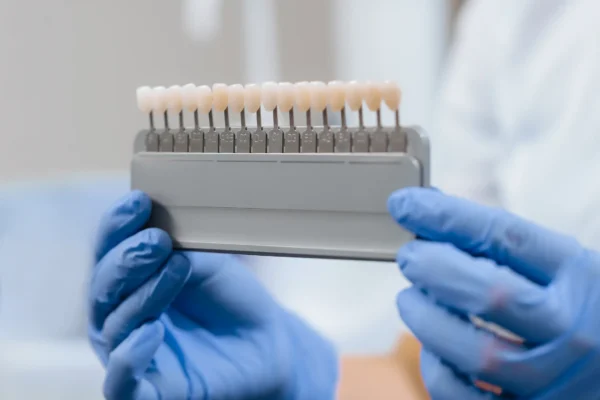
That is where experience matters. Cosmetic work is part science, part design, and part restraint. The technical side involves shade matching, bite analysis, material selection, and long-term durability. The artistic side involves proportion, texture, translucency, lip support, and how the smile appears in motion rather than only in a still photo. Restraint may be the most important of all. Knowing what not to change often separates polished, natural results from work that looks obvious.
The treatments people ask about most often
While every case is different, several cosmetic options come up again and again in practice because they solve common concerns effectively.
- Professional whitening for generalized yellowing or surface stains
- Composite bonding for chips, small gaps, and minor shape corrections
- Porcelain veneers for color, form, and symmetry changes on visible front teeth
- Clear aligners or braces for crowding, spacing, and bite-related cosmetic concerns
- Gum contouring for a gummy smile or uneven gum levels
Each of these treatments serves a different purpose, and each has limits. Whitening cannot change the color of crowns or fillings. Bonding is conservative and affordable compared with porcelain, but it can stain and wear over time. Veneers can create dramatic improvements, though they require meticulous planning and should never be used casually when a simpler option would do. Orthodontics takes patience, yet it can improve both appearance and function without masking the natural teeth under restorations.
A common mistake is treating these options like interchangeable products. They are not. The right choice depends on enamel quality, bite forces, age, habits like grinding, and the patient’s priorities. Some people want the most conservative treatment possible. Others are willing to invest more for maximum polish and longevity. Neither approach is wrong if the decision is informed.
Whitening can be transformative, but it is not magic
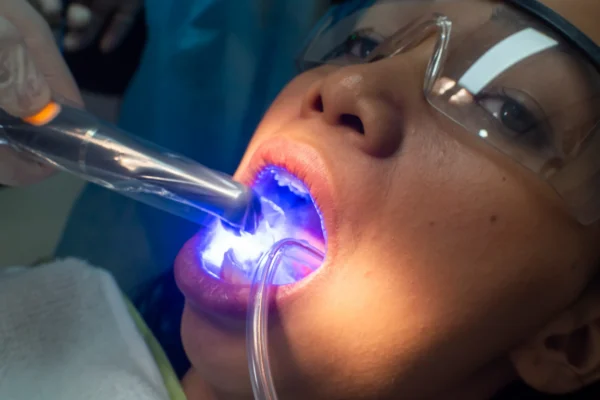
Few treatments change a smile as quickly as whitening. For patients with healthy enamel and extrinsic stain from coffee, tea, red wine, or tobacco, professional whitening can brighten the smile by several shades. It often makes the whole face look fresher. People describe looking less tired and more polished, even when nothing else has changed.
Still, whitening has boundaries. It works best on natural teeth. Existing crowns, veneers, and tooth-colored fillings generally do not lighten along with the surrounding enamel. That can create uneven results if visible restorations are present. Some teeth also respond differently Cosmetic Dentistry because of internal discoloration, age-related darkening, or previous trauma.
Sensitivity is another practical issue. Many patients tolerate whitening well, but some experience brief sharp zings or generalized cold sensitivity for a day or two. In most cases this is manageable with adjusted wear time, desensitizing products, or a slower protocol. Very few people need to abandon whitening altogether, but expectations should be realistic. Brightening is possible. Perfection is not guaranteed.
Over-the-counter products can help with maintenance, yet there is a clear difference between supervised treatment and a generic strip bought in a rush. Custom trays, carefully selected gel strength, and professional guidance usually lead to more consistent and safer results.
Bonding is one of the most underrated options
Composite bonding deserves more respect than it gets. When done well, it can repair a chipped edge, close a small space, reshape a short tooth, or improve minor irregularities in a single visit with minimal or no drilling. For the right patient, that is a major advantage.
Bonding is especially useful when a person wants improvement without committing to porcelain. A patient in their twenties with one chipped front tooth, for example, may be an excellent candidate. The dentist can layer composite resin by hand, shape the contours, polish it to blend with the neighboring teeth, and restore a natural look in a matter of hours. A careful observer should not be able to identify where the natural tooth ends and the restoration begins.
The trade-off is durability. Composite is strong, but it is not porcelain. It can pick up stain, lose some luster, or chip if the bite is heavy or the person chews ice, pens, or fingernails. It may need maintenance every few years. That does not make it inferior. It simply makes it different. In many cases, reversible or conservative treatment is the wisest place to start.
Veneers can create remarkable change when they are thoughtfully planned
Veneers have a reputation for dramatic before-and-after results, and that reputation is well deserved in the right hands. Thin porcelain shells bonded to the front surfaces of teeth can correct color problems that whitening cannot, refine shape, improve symmetry, and close spaces. They are often the answer when multiple cosmetic concerns exist at once.
Yet veneers are also the treatment most vulnerable to overtreatment. Some smiles do not need them. If the teeth are fundamentally healthy, attractive, and only slightly misaligned, moving them orthodontically may be the better long-term choice. If one tooth is discolored and the others look excellent, placing veneers across the entire front may solve the problem at too high a biological cost.
A thoughtful veneer case begins with planning, not drilling. Photos, digital mockups, study models, and a trial smile can help both patient and dentist preview proportions and shape. This stage matters because the most common reason patients feel disappointed is not technical failure. It is a mismatch between what they imagined and what was delivered.
Natural-looking veneers require nuance. Real teeth are not flat white tiles. They have depth, subtle translucency, surface texture, and slight variation in value. The dentist and ceramist have to account for facial features, lip dynamics, age, skin tone, and how much tooth shows at rest and when smiling. A smile that looks stunning on a model in a social media post may look out of place on someone with a different face and personality.
Straight teeth are often healthier-looking teeth
Many people think of orthodontics as separate from Cosmetic Dentistry, but in practice the overlap is significant. When teeth are aligned properly, they are easier to clean, often wear more evenly, and tend to look more harmonious. Clear aligners have made this path more appealing for adults who once avoided braces because they did not want the appearance or inconvenience.
Straightening teeth can solve cosmetic problems that restorations merely camouflage. If a front tooth sits behind the others, for instance, bonding it forward may create bulk and compromise the bite. Moving it into position first can preserve enamel and produce a cleaner result. Sometimes the best cosmetic plan is staged: orthodontics first, whitening second, and a touch of bonding at the end.
This approach requires patience. Aligners may take several months or longer depending on complexity. But for many adults, especially those with crowding, relapse after childhood braces, or spacing, the wait is worth it. The final result often looks more authentic because it is built on the patient’s own teeth rather than layered over them.
The gumline matters more than people realize
Patients often focus on the teeth and overlook the tissue framing them. But gums influence a smile just as much as enamel does. Teeth that are healthy and bright can still look short, uneven, or boxy if the gumline is irregular. In some cases, a conservative gum contouring procedure can rebalance the smile dramatically.
This is not appropriate for everyone. The cause of a gummy smile may be excess tissue, altered eruption, lip movement, jaw position, or a combination of factors. A minor reshaping can help when the issue is mainly soft tissue. More complex anatomy may require periodontal or orthodontic evaluation, and occasionally the answer lies outside cosmetic treatment altogether.
When contouring is indicated, the change can be subtle but powerful. Slightly lifting tissue around one or two teeth often creates the illusion that the teeth themselves are straighter and better proportioned. It is one of those improvements many people cannot identify consciously, yet they immediately sense that the smile looks more balanced.
What a good consultation should feel like
The first conversation sets the tone for the whole process. Cosmetic treatment is personal, so the consultation should be more than a quick look and a price quote. The dentist should ask what bothers you, what you hope to change, and what kind of result feels natural to you. Some people want a brighter version of their current smile. Others want a more noticeable transformation. Those are different destinations.
A useful consultation usually covers a few key areas:
- Your goals, including what you like and dislike about your current smile
- Oral health findings such as decay, gum condition, wear, or grinding
- Treatment options with trade-offs, not just the most profitable choice
- Visual planning tools like photos, wax-ups, or provisional mockups
- Maintenance needs, costs, and the likely lifespan of the work
If a clinician skips over function, bite, or gum health and talks only about appearance, that is a concern. Cosmetic work placed on an unstable foundation does not age well. The smile may look good for a photograph and fail in daily life. The best cosmetic dentists are not merely decorators. They are restorative thinkers who understand aesthetics, biology, and mechanics together.
Loving your smile again sometimes starts with fixing what has worn you down
There is a practical side to cosmetic treatment that deserves more attention. Many cosmetic complaints are linked to wear, old dental work, or long-standing habits. A person who grinds at night may have teeth that look shorter, flatter, and darker because enamel has thinned. Another may have visible silver fillings in the smile line or crowns that no longer match adjacent teeth after years of natural color change. These issues affect appearance, but they also reflect underlying function and age.
Addressing them can be unexpectedly emotional. I have heard patients say, after replacing worn edges or mismatched front crowns, that they did not realize how much the old smile had affected them until it was gone. The change can feel less like vanity and more like relief. They stop thinking about their teeth every time they speak.
That relief is often the real outcome people are seeking. Not a perfect Hollywood smile, but a sense of ease.
The cost question, and why cheap cosmetic work often gets expensive later
Cosmetic dental treatment can be a meaningful financial commitment. The price varies widely depending on the procedure, the region, the materials used, and the complexity of the case. Whitening may be relatively modest. Veneers, multiple crowns, or multidisciplinary treatment can be substantial.
It is understandable that patients compare prices. The risk is assuming cosmetic dentistry is a commodity. It is not. Two treatment plans with the same label can differ enormously in diagnosis, material quality, prep design, lab craftsmanship, and long-term predictability. A set of veneers that looks acceptable on the day of placement but feels bulky, traps plaque, irritates the gums, or chips within a few years was never a bargain.
That does not mean the most expensive option is automatically the best. It means value should be judged by planning, precision, conservatism, and durability. In many cases, a dentist who recommends less treatment is demonstrating more expertise, not less. A smaller, smarter plan often saves money and tooth structure at the same time.
Maintenance is part of the result
No cosmetic result stays beautiful by accident. Whitening fades and needs touch-ups. Bonding can polish down or stain. Veneers and crowns need healthy gums around them. Aligner results can drift without retainers. Maintenance is not a sign that treatment failed. It is simply the reality of a living mouth that chews, ages, and adapts.
Patients are happiest when they understand this from the beginning. A night guard may protect new restorations in a grinder. Regular hygiene visits can preserve the brightness and contour of cosmetic work. Habits matter too. Smoking, frequent dark beverages, hard biting, and inconsistent oral hygiene all shorten the life of aesthetic treatment.
The good news is that maintenance is usually straightforward when the original work was well executed. The harder part is repairing dentistry that was rushed or poorly planned. Prevention still wins.
The most successful cosmetic cases do not chase perfection
There is a point where improvement turns into overwork. Teeth can become too white, too uniform, too large, or too smooth. The smile starts to dominate the face rather than complement it. This happens when cosmetic decisions are driven by trends instead of anatomy.
The best results usually preserve something personal. Maybe it is the slight softness of the canine shape, the natural translucency at the edges, or the way the smile follows the lower lip. These small details keep the work believable. They also help the patient feel that the smile belongs to them.
For anyone considering Cosmetic Dentistry, that is an important mindset. The goal is not to erase individuality. It is to remove the distractions that have kept you from smiling freely.
When treatment is chosen carefully, designed thoughtfully, and grounded in oral health, the effect reaches well beyond the mirror. People tend to smile more when they trust their smile. They speak more openly. They stop editing themselves in photos and conversations. That renewed ease is often the clearest sign that the treatment worked. It did not just improve teeth. It restored confidence that had been quietly missing for years.
Toothworks of Bakersfield, Dentist and Orthodontist
1030 H St #1, Bakersfield, CA 93304, United States
+1 661-323-9421
FAQ About Cosmetic Dentistry
Is bonding better than veneers?
Neither option is best for everyone. Composite bonding can address small chips, gaps, or shape concerns and is generally easier to repair. Porcelain veneers may offer greater resistance to staining and wear, but often require removal of some enamel. A dentist should assess your oral health, bite, goals, and budget before recommending treatment.
How long will dental bonding last?
Bonding commonly lasts about three to ten years before it needs repair or replacement, though this varies with the location and amount of bonding, your bite, and daily habits. Regular dental visits, good oral hygiene, and avoiding chewing hard objects can help protect it. Ask your dentist what lifespan is realistic for your particular treatment.
What are the risks of teeth whitening?
Whitening can cause temporary tooth sensitivity and gum irritation. Overuse or incorrect use may damage teeth or gums, and whitening does not change the color of existing crowns, veneers, or fillings. Have a dentist assess your teeth and gums, and follow the recommended product directions and treatment schedule.